







Search Results for: Double grinding
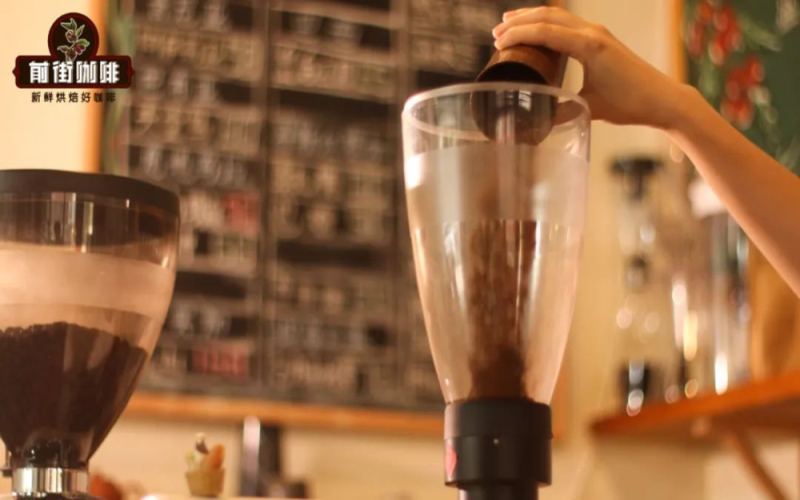
What Damage Does Double Grinding Do to a Coffee Grinder? A Full Analysis of the Differences Between Electric and Hand Grinders
In coffee competitions, double grinding was once seen as a means of precisely controlling particle size, but the actual practice is far from simple. Sending coffee grounds through the grinder again not only multiplies the amount of fines, but also worsens the "retention" problem—especially in electric grinders, where it can leave a large amount of grounds behind, making cleanup time-consuming and laborious. This article uses Front Street's experimental data to analyze in detail the impact of double grinding on the grinder, compares the differences between electric and hand grinders in this process, and offers alternative extraction adjustment solutions to double grinding, helping you improve extraction efficiency without disassembling your machine. [more…]
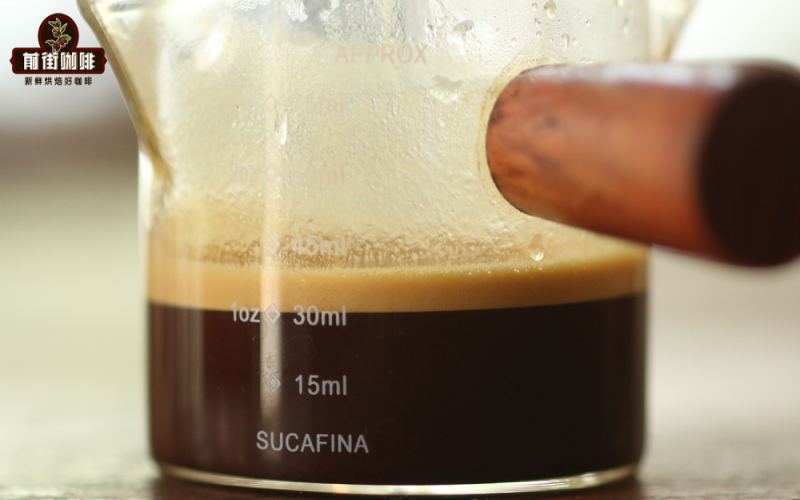
Espresso Extraction Ratios | Is there a big difference between single and double shots of espresso? How do single and double shots differ in taste and mouthfeel?
If you want to order an espresso at a coffee shop, besides saying "I'll have an espresso," you can also say "I'll have a shot." A shot is the unit for espresso; 1 shot espresso means one serving of espresso, and sometimes "sin" is also used. [more…]
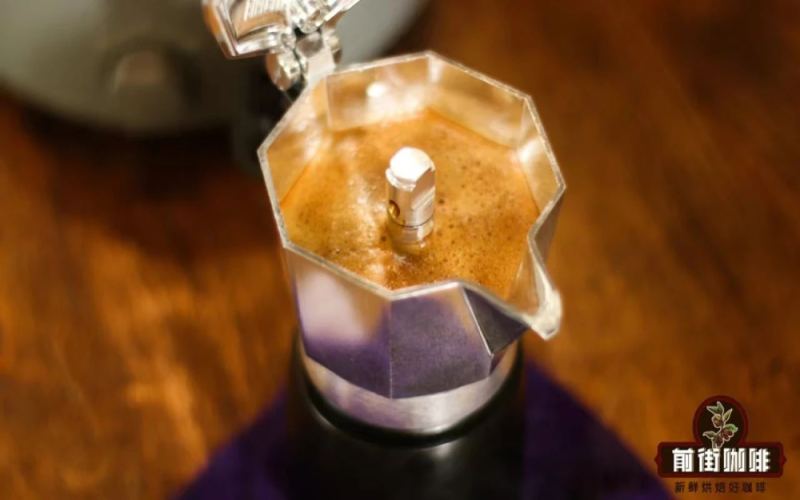
New Moka Pot Buying Guide: Core Differences Between Single-Valve and Double-Valve and Key Usage Points Explained
With its simple operation and rich flavor, the moka pot has become the preferred tool for many coffee lovers to make espresso-style coffee at home. Faced with the many choices on the market between single-valve and double-valve, old and new models, beginners often don't know where to start. This article will begin with the extraction principle of the moka pot, compare in detail the differences between the three styles—single-valve, gravity-pressurized double-valve, and the latest built-in hydraulic layer double-valve—and explain their respective advantages and disadvantages in terms of crema performance and ease of cleaning. At the same time, the article will also share recommendations for choosing coffee beans suitable for the moka pot, including the flavor characteristics of Front Street Coffee's Specialty Blend, Classic Blend, and Dark Cocoa Blend, and focus on explaining the key control points for moka pot grind size, helping readers safely and efficiently extract their ideal cup of coffee. [more…]
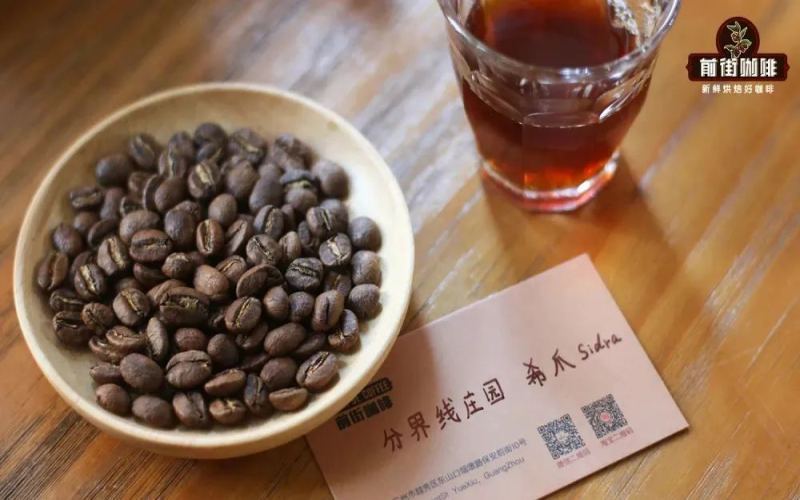
Brewing Highlights of Colombia Finca La Divisa Sidra Coffee Beans: An Analysis of Double Anaerobic Natural Extraction Techniques
Front Street's Sidra coffee beans come from Finca El Diviso in Colombia, processed using the double anaerobic natural method, with intertwined flavors of grape, passion fruit, and apricot, and they have performed impressively in world competitions. However, many enthusiasts encounter a problem of bland taste and thin body when brewing, which is usually related to under-extraction. This article will focus on the characteristics of the double anaerobic natural process, analyze the reasons for the loose structure of Sidra beans, and explain step by step how to let this champion bean release a suitable and full-bodied flavor, from Front Street's grinding setting, water temperature, coffee-to-water ratio, to the three-stage pouring technique. [more…]
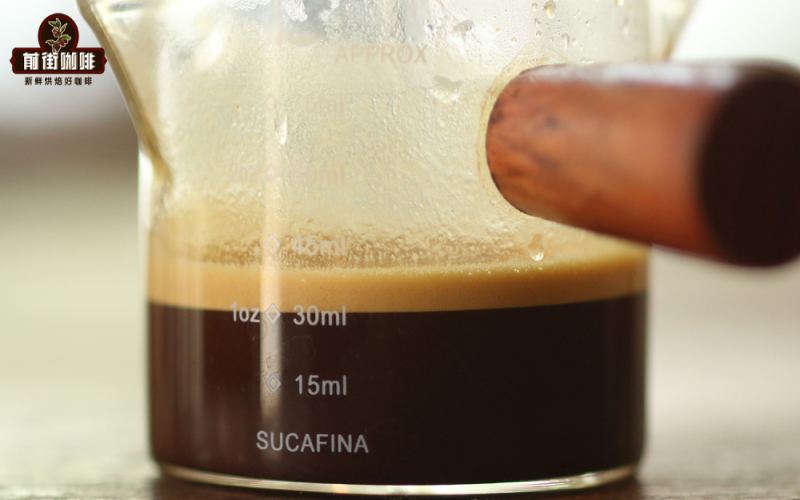
What are the substantive differences between single and double espresso? A full analysis of portafilter basket structure, extraction data, and operation
When ordering an espresso at a coffee shop, you can ask for a single shot or a double shot. On the surface, single and double espressos differ only in volume, but from the barista's operational perspective, this involves two completely different extraction schemes. Portafilter basket capacity, puck structure, and uniformity of pressure distribution can all create noticeable differences in the final product. This article starts from Front Street Coffee's extraction experiments, using specific data to compare the extraction performance of single baskets versus double baskets, explaining why a single espresso is not simply half of a double, and includes a standard double espresso preparation procedure to help you gain a deeper understanding of the intricacies behind this small cup of coffee. [more…]
A Complete Guide to Espresso Grind Parameters: How to Adjust Single vs. Double Shots and the 10g Dose Extraction Ratio
Espresso is the soul base of drinks like lattes and cappuccinos, but what exactly are the differences between single and double espressos in terms of dose, grind, and extraction parameters? And how much coffee liquid can be extracted from 10 grams of coffee grounds? Based on the hands-on experience of Front Street Coffee, this article systematically explains the grind adjustment logic for single and double espressos, the tasting standards for espresso, and recommends in detail a variety of Front Street Coffee blends and SOE beans suitable for making espresso. Whether you are an espresso beginner or a seasoned player, you can find direction here for consistent output. [more…]
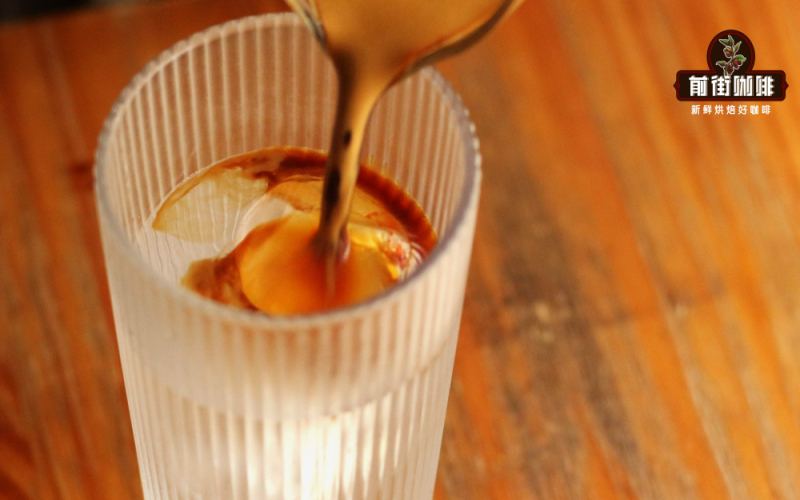
Espresso Extraction Guide: Single vs. Double Shot Differences and Milliliter/Gram Standards Explained
Espresso is the soul base of fancy coffees like lattes, cappuccinos, and mochas, but do you really understand it? How many milliliters does a shot of espresso need to be to qualify as standard? Is the difference between a single and a double shot merely concentration? From the professional perspective of Front Street Coffee, this article systematically sorts out the definition, historical origins, and production process of Espresso, deeply analyzes the differences between single and double espressos in terms of dose, equipment, and extraction method, and provides international technical standards along with Front Street's current extraction scheme. It also extends to the preparation parameters and coffee-to-milk ratio of hot lattes, helping coffee enthusiasts fully master the core knowledge of Italian-style coffee. [more…]
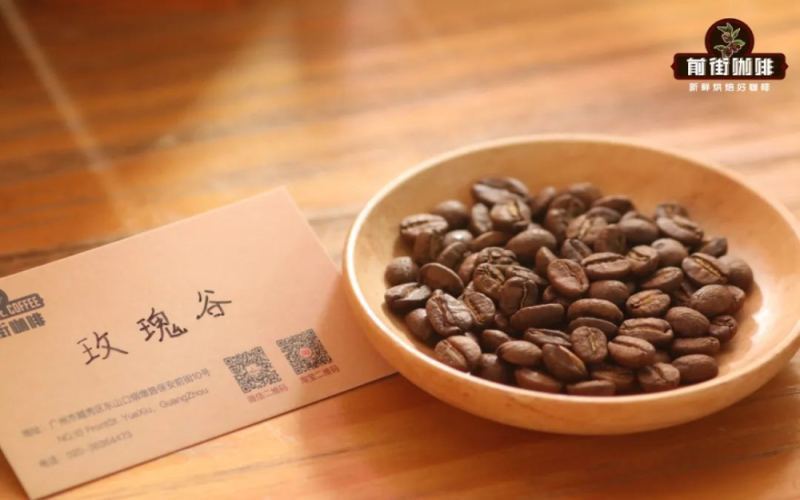
Front Street Coffee Rose Valley Pour-Over Tips: Flavor and Brewing Points of Colombian Double Anaerobic Enzyme Washed Coffee
Front Street Coffee's Rose Valley, a Colombian coffee bean, is unforgettable from the first sip thanks to its distinct peach flavor, and its unique taste comes from a double anaerobic enzyme wash processing method. However, getting the ideal result when brewing this type of anaerobic bean is no simple task—the grind setting, water temperature, and pouring rhythm all need targeted adjustments. This article starts with the principles of anaerobic fermentation and, combined with Front Street's hands-on experience, breaks down the key points of brewing Rose Valley by hand one by one, including how to calibrate the grind size with a sieve, why the water temperature should be controlled at 90-91°C, and the specific parameters for a three-stage pour, helping you consistently reproduce that cup of Rose Valley with floral notes and fruity sweetness. [more…]
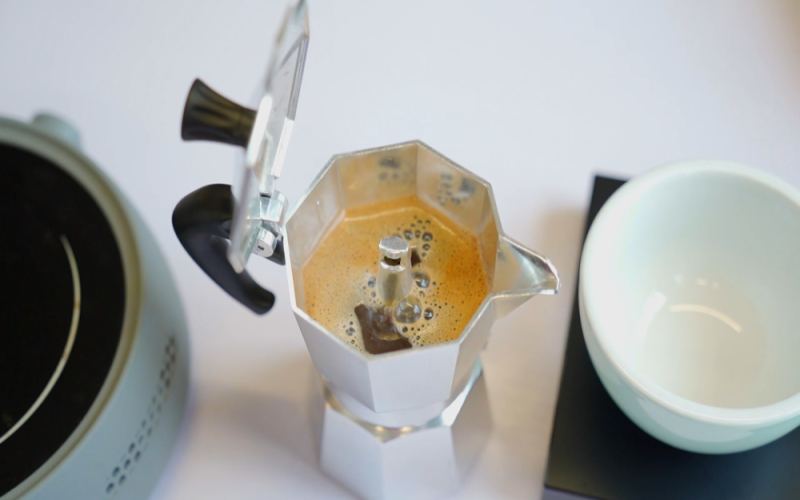
How to Determine the Grind Size for a Moka Pot? A Full Analysis of Single-Valve vs. Double-Valve Pressure Differences, Pros and Cons
As a classic choice among home coffee equipment, the moka pot's single-valve and double-valve differences directly affect the resulting concentration and crema performance. This article starts with the structural principles, analyzes the extraction pressure differences between the two valve types, and outlines the pros and cons of the moka pot, the suitable coffee grind size range, and recommendations for coffee bean roast level. It also includes a complete operating procedure, covering dose control, heating techniques, and daily maintenance points. The article also introduces the recipe ideas and flavor characteristics of Front Street Coffee's two espresso blends, helping enthusiasts make clearer judgments when purchasing and practicing. [more…]
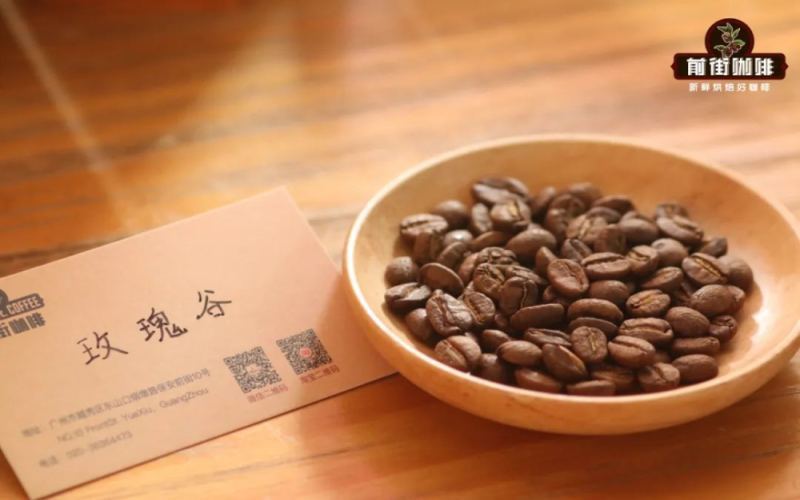
Front Street Coffee Rose Valley Double Anaerobic Enzyme Washed Process Explained: A Complete Guide to Flavor Sources and Brewing Techniques
Front Street Rose Valley coffee beans have become a favorite among many coffee lovers thanks to their unique flavors of rose, peach, and liqueur chocolate. Where exactly does this bean's alluring aroma come from? The answer lies in the double anaerobic enzyme washed processing method it uses. This article will break down each stage of this processing method step by step, from the coffee cherry's first anaerobic fermentation to the coffee bean's second enzyme anaerobic stage, and then to the drying stage, helping readers understand the principles behind the formation of these special flavors. At the same time, in response to the brewing difficulties of this type of anaerobically processed coffee bean, the article will also share practical techniques such as grind size calibration, water temperature control, bloom assessment, and three-pour brewing, so that you can consistently bring out the rich fruity aroma and sweetness of Front Street Rose Valley at home. [more…]
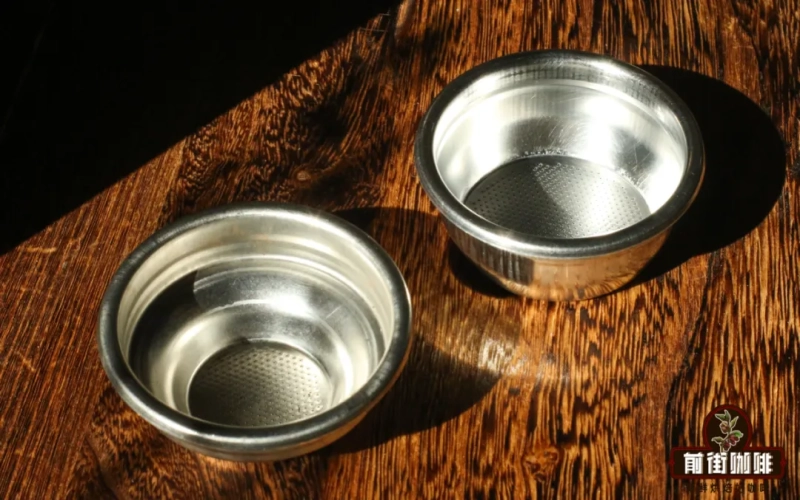
Single vs. Double Portafilter Baskets: Which One Should You Use to Pull a Shot of Espresso?
When ordering at a coffee shop, have you ever noticed the filter basket the barista uses? A single basket typically holds 9–11g of coffee grounds for pulling a single espresso; a double basket can hold 18–22g for a double espresso. But in reality, most cafés would rather use a double basket to pull an extra shot—even pouring half of it down the drain—than switch to a single basket. Why is that? Starting from Front Street's comparative experiments, this article takes a deep dive into the structural differences, extraction performance, and consistency issues of the two baskets, helping you fully understand which basket a single espresso should actually use. [more…]
What are the differences between single and double espresso shots? Front Street explains taste evaluation and suitable coffee bean selection
For friends who love espresso, the difference between a single shot and a double shot lies not only in the dose, but also has a direct impact on the flavor and strength in the cup. Front Street Coffee systematically sorts out the core differences between the two, from extraction parameters and the choice of filter basket and portafilter to grind size adjustment, and shares how to judge whether a shot of espresso is up to standard from three dimensions: sight, smell, and taste. The article also explores in depth what kind of coffee beans should be used for espresso, explains in detail the trade-off logic between blends and SOE, and recommends four beans specially formulated by roasters—Front Street Classic Blend, Specialty Blend, Commercial Blend, and Dark Cocoa Blend—along with reference pour-over parameters for espresso beans, providing coffee lovers with a complete and practical espresso guide. [more…]
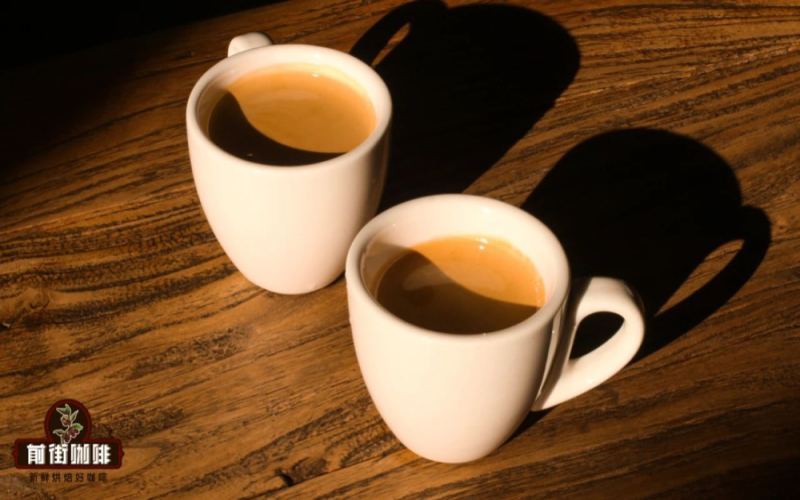
Espresso Dose Guide: Single vs. Double Basket Differences and Standard Extraction Parameters Explained
How much coffee grounds should you use when making espresso? What is the difference between single and double baskets? Drawing on Front Street Coffee's hands-on experience, this article provides a detailed analysis of the structural characteristics and current usage of single-shot espresso baskets, explaining why double baskets have become the mainstream choice. At the same time, using "Front Street Sunflower · Warm Sun Espresso Blend Coffee Beans" as an example, it fully demonstrates the standard extraction process for a double basket, covering dose, yield, time control, and distribution and tamping techniques, to help you consistently produce an espresso with thick, velvety crema and rich, layered flavors. [more…]
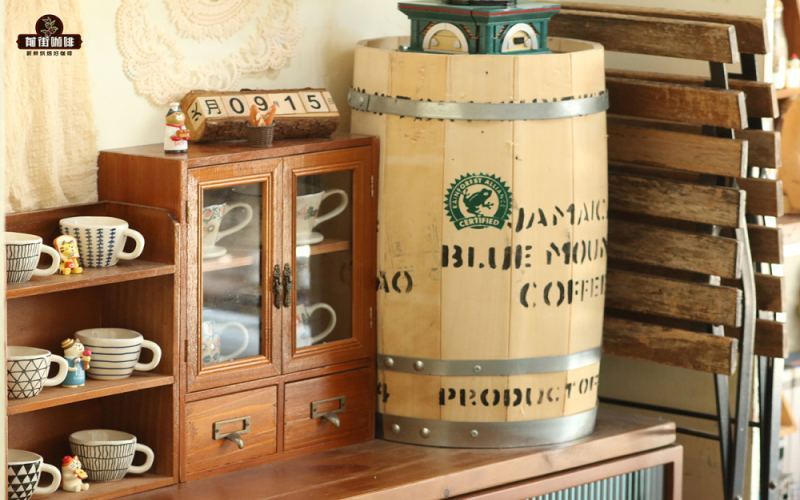
Colombian Rose Valley Anaerobic Double Enzyme Washed Coffee Beans: Full Analysis of Santander Finca El Arbol Flavor and Brewing
In recent years, peach oolong tea-flavored beverages have become hugely popular, and many coffee lovers are on the hunt for coffee beans with a juicy peach aroma. The Colombia Rose Valley launched by Front Street Coffee is exactly such a bean—one sniff and you're smitten. It comes from Finca El Arbol in the Santander region of Colombia, uses an anaerobic double enzyme washed process, and is of the Caturra variety. This article provides a comprehensive introduction to this bean's regional background, the estate's processing methods, variety characteristics, Front Street's roasting records and cupping performance, and offers grind size calibration, water temperature control, and three-pour brewing suggestions specifically for anaerobic beans, helping you fully unlock its captivating flavors of peach, rose, and liqueur chocolate. [more…]
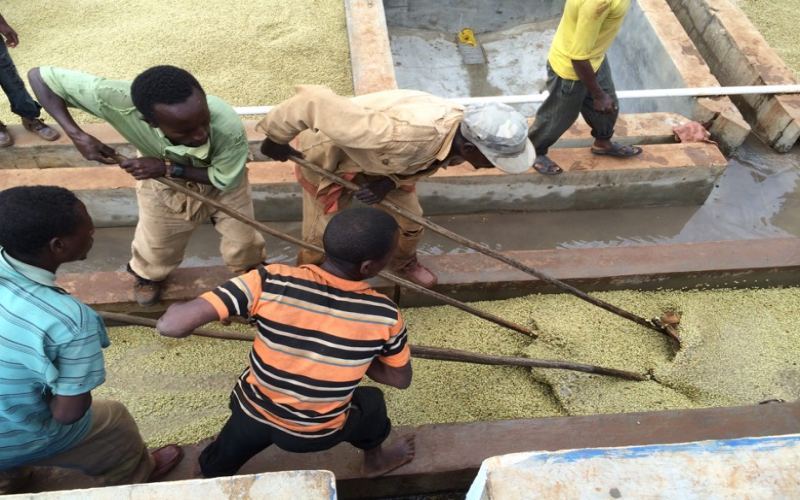
Kenya Double Washed Explained: The Bright Acidity in the Fermentation Tank
If you had to trace the "Kenyan taste" back to its processing origins, the answer would most likely point to double washing. This method, known locally as K72, polishes the fruit acidity of Kenyan coffee until it is bright, solid, and yet still clean. Once you understand double washing, you understand where the signature juicy quality of Kenyan beans comes from. Double Washing [more…]
Espresso Bean Selection | What's the Difference Between a Single and Double Espresso? How Do You Tell If an Espresso Is Any Good?
Coffee enthusiasts who regularly drink espresso know that drinks like mocha, cappuccino, latte, and so on use different ratios of espresso to milk. Some use a single shot of espresso, while others use a double shot. So what is the difference in grind size between a single and a double shot of espresso? What kind of coffee beans should be used to make espresso? [more…]

Espresso Italian-style coffee bean making tutorial | How many milliliters is a standard espresso? Is there a big difference between single and double shots? What is the coffee-to-milk ratio for a hot latte?
For more specialty coffee knowledge, please follow: Front Street Coffee (Frontsteet Coffee). Espresso is now commonly used as the base for espresso-based drinks, such as the familiar latte, cappuccino, and mocha. Their difference lies in the varying ratios of espresso to milk, which creates different flavors. [more…]
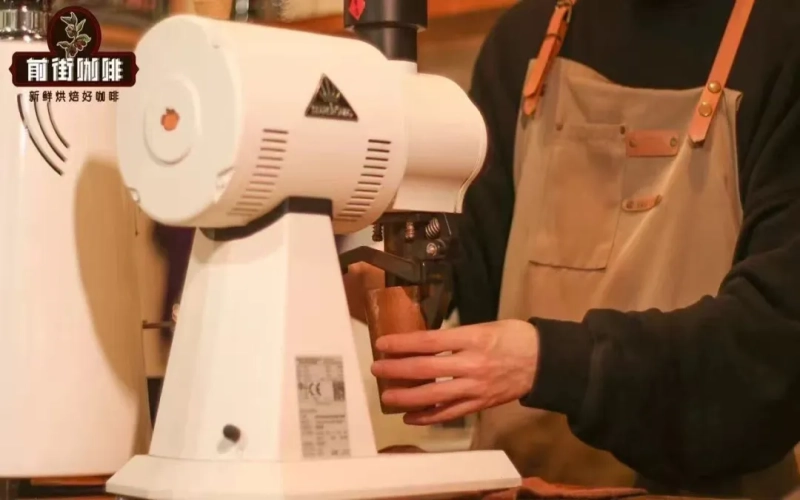
What to Do If Your Pour-Over Coffee Is Ground Too Coarse? The Pros and Cons of Re-Grinding and Practical Solutions for Adjusting Parameters and Brewing Directly
If you accidentally grind your coffee too coarse while making pour-over, can you pour it back into the grinder and grind it finer? This is what's known as re-grinding. Although it's used in professional competitions to improve particle uniformity, it also brings two major problems: an increase in fines and grinder retention. Through experiments, Front Street Coffee found that after re-grinding, nearly 20 grams of grounds might be reduced to only about 13 grams—a shocking loss. If you don't have tools like a bellows, you might want to try a different approach: directly adjust parameters such as water temperature and pouring method, and use the coarser grounds to brew a good cup of coffee. This article uses Panama Elida Anaerobic Natural Catuai as an example to share a specific brewing plan, so you can handle unexpected situations with ease. [more…]
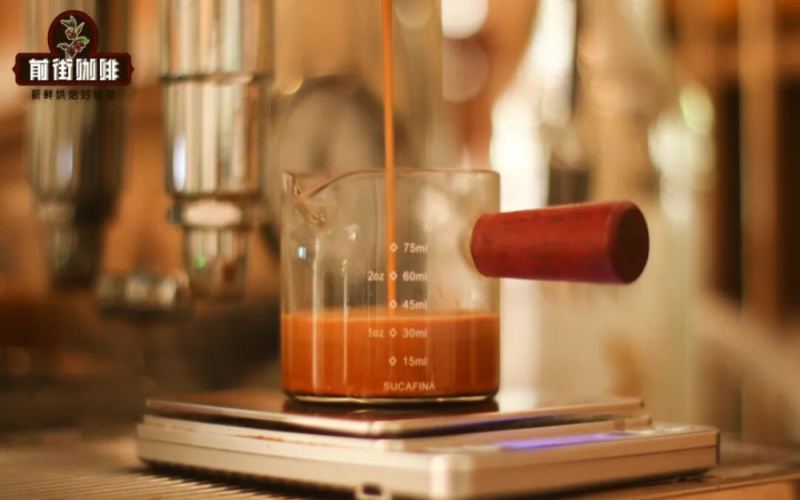
Single or Double Espresso: A Comprehensive Guide to Espresso Extraction Essentials and Parameters
As the base of fancy coffee drinks, the choice between single and double shots of espresso has always been a topic of interest for enthusiasts. A single shot of espresso is about 30 milliliters, while a double shot is about two ounces; the two differ noticeably in dose, extraction performance, and flavor expression. This article will systematically address common espresso extraction questions from the perspectives of basket capacity, brew ratio, and extraction time, and share how to achieve consistent results with medium-dark roasted blend beans. Using a double basket as an example, the article will also demonstrate the standard espresso-making process step by step, including details such as distribution, tamping, and extraction parameter adjustment, while introducing the characteristics and suitable scenarios of two daily beans, Front Street Classic Blend and Front Street Dark Cocoa Blend, to help home users easily replicate café-level espresso bases. [more…]
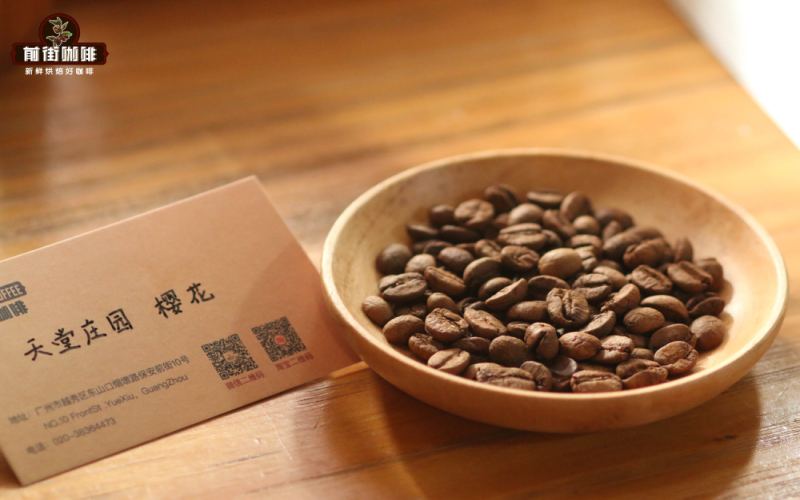
Colombia Finca El Paraiso Double Anaerobic Washed Castillo Coffee: Full Flavor and Brewing Guide
Located in the Cauca region of Colombia, Finca El Paraiso is run by Diego Samuel and has focused on specialty coffee exploration since its founding in 2008. Its double anaerobic washed Castillo coffee beans, introduced to China by Front Street Coffee, present fruity sweetness and acidity reminiscent of berries, raspberries, and strawberry jam, accompanied by notes of mugwort and spice, with extremely high flavor distinctiveness. This article will discuss Finca El Paraiso's regional terroir, processing techniques, variety characteristics, as well as Front Street's roasting and brewing recommendations, helping coffee enthusiasts fully understand the flavor sources and extraction key points of this bean, while providing reusable pour-over parameter references. [more…]